9 industry groups in the billion dollar club, who's on the list

The fiscal year 2025-26 was not very comfortable for the industrial sector of the country. Factory production has been hampered by fuel shortage, and there has been no significant growth in exports. In spite of such situation, nine industrial groups of the country crossed the limit of one hundred million dollars or one billion dollars in import and export trade including customs and taxes. In the financial year 2024-25, there were eight industrial groups in this list.
At the end of the last financial year, the nine industrial groups that made it to the billion dollar club in terms of import-export trade are Meghna Group of Industries (MGI), Pran-RFL Group, Yangwon Corporation of South Korea, Abul Khair Group, Square Group, BSRM, TK Group, Khair Kashem Group and Ha-Meem Group.
City group was in this club even a year ago. But the import-export of this leading industrial group of the country in crisis has decreased by 41 percent in a year. The group fell below the 1 billion dollar limit set by the billion dollar club. Meanwhile, Khair Kashem Group has entered this club for the first time by buying some newly operating factories. Ha-Meem Group is newly added to the list of export success. The remaining seven groups maintained their foreign trade turnover of billion dollars in the last financial year as well as the previous year.
According to NBR, the nine groups in the billion dollar club imported goods worth $9.83 billion last fiscal. On the contrary, it exported about 305 million dollars worth of goods. 19 thousand 944 crore taka or about 163 crore dollars has been paid at the import level. In all, the combined amount of import-export trade of these nine groups stands at 1 thousand 455 million dollars. Excluding customs and taxes, the value of import and export goods is 1,287 million dollars, which is about 11 percent of the country's total import and export in the last financial year. In the last financial year, the total import-export trade of the country was 11 thousand 933 million dollars. About 600,000 people work in 9 industrial groups in the billion dollar club.
"Billion dollar club" refers to those industrial groups whose annual trade is at least 100 million dollars in terms of import cost including duties and taxes and export value of goods and services (earnings from the transportation of goods by ocean-going vessels). It is not an account of total sales or profit of the groups. Usually an industry group does not disclose its annual transactions unless it is listed on the stock market. However, it is possible to figure out who is at the top among the production-oriented organizations associated with import-export trade.
Three Business Models
The 9 industry groups in the billion dollar club have three types of business models. Among them, Yangwon and Ha-Mim are completely export-oriented, with their exports exceeding their imports. Pran-RFL and Square Group have established a large presence in the domestic market as well as exports. On the other hand, MGI, Abul Khair, BSRM, TK and Khair Kashem Group mainly produce products for the domestic market.
Yangwon and Ha-mim are completely export-oriented, their exports exceed their imports. Pran-RFL and Square Group have established a large presence in the domestic market as well as exports. On the other hand, MGI, Abul Khair, BSRM, TK and Khair Kashem Group mainly produce products for the domestic market.
MGI ON TOP
Meghna Group of Industries is at the top of the billion dollar club. The group's imports and exports totaled about $326.91 million in the last financial year including customs duties, which is 14 percent higher than the previous fiscal year. The group imported goods worth 267.17 million dollars. 5 thousand 502 crore taka or about 45 crore dollars has been paid in import duty. And exported products worth 14 million 75 million dollars.
MGI has at least 23 manufacturing plants in the sector. The group has major presence in sugar, LPG, edible oil, plastic raw materials, animal feed and seagoing vessels. The group has 30 seagoing vessels in its fleet. Most of the group's factories manufacture import substitution products. 51 years ago the journey of MGI by the hands of entrepreneur Mustafa Kamal. The main brand of the group is 'Fresh'. According to the group, about 68 thousand people work in the company.
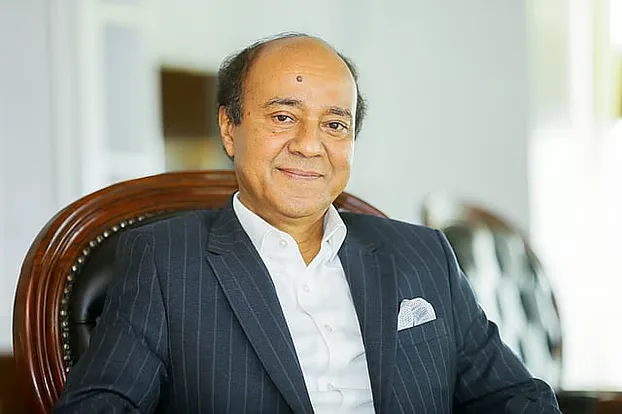
I did not stop investing in the productive sector despite the crisis. Consistent investment has brought MGI to the top.
Mustafa Kamal, Chairman, MGI
Chairman of MGI Mustafa Kamal told Prothom Alo, "We have not stopped investing in the production-oriented sector even during the crisis. Consistent investment has brought MGI to the top. We are saving foreign currency by producing substitute products for import in the country. Now increasing investment in heavy and basic industries. When the Comilla Economic Zone opens next year, production will start in six factories there. Besides, we are increasing the fleet of sea going ships to increase the export income. I want to keep this addiction of creating new industries and creating employment.
Pran-RFL: 19% Growth
Pran-RFL Group is second in the list. The group's import and export trade, including duties and taxes, amounted to $226.22 million, which is 19 percent higher than the previous fiscal year. The group's product imports are worth $139.65 million. And export is 51 million 76 million dollars. 4 thousand 257 crores of duty paid at the import level.
The group's biggest strength is market expansion. PRAN-RFL has exported products to 129 countries in the last financial year. 77 percent of exports are non-garment products. The three largest markets are Saudi Arabia, the United States and India. The group is also one of the leading companies in importing capital equipment. The group has employed 2 lakh 4 thousand people.
I believe Pran-RFL will do better. Because Bangladesh is one of the best countries in the world in terms of production.
Ahsan Khan Chowdhury, Chairman PRAN-RFL Group
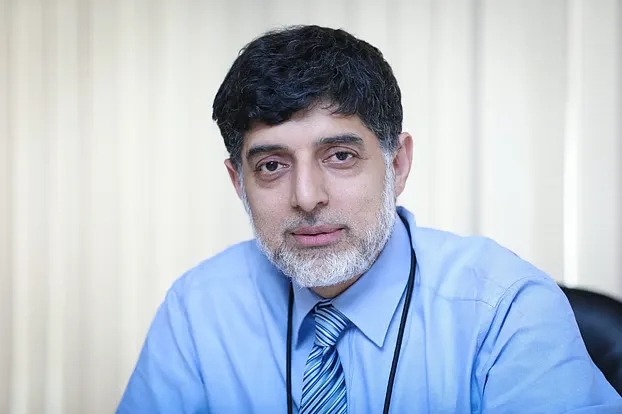
Ahsan Khan Chowdhury, chairman and chief executive of Pran-RFL Group, told Prothom Alo, "We faced many problems in the last financial year. Restrictions on exports through land ports in India, the Middle East war reduced competitiveness. The country also has to suffer due to lack of energy. However, I believe that Pran-RFL will do better in the coming days. Because Bangladesh is one of the best countries in the world in terms of production, the cost of production here is very low.
Yangwon: Top in Exports
South Korea's Yangwon Corporation is the only foreign company in the list of top 9 industrial groups. Last fiscal year, the group's import-export trade volume was 1.75 billion 47 million dollars, which is 15 percent more than the previous fiscal year. Although third in total trade, Yangwan was the top in exports. Last financial year, the group exported goods worth 111.61 million dollars. Yangwan's imports during the same period were worth 638.5 million dollars, including duties and taxes. That is, the group's exports are almost two-quarter times its imports.
94 percent of Yangwan's exports are ready-made garments; A large portion of which is high-priced jackets and outdoor clothing. The group exported products to 62 countries in the last financial year. The group's major markets include the US, Germany and China. Yangwan's journey to Bangladesh began about 45 years ago. Under the initiative of the group, the country's first private export processing zone Korean EPZ was established in Chittagong's Anwara. According to the group, more than 80 thousand people work in their factories in Chittagong and Dhaka.
Sufficient and reliable energy supply is essential to increase the production of high value garments in Bangladesh.
Kihak Tsang, Chairman, Yangwon Corporation
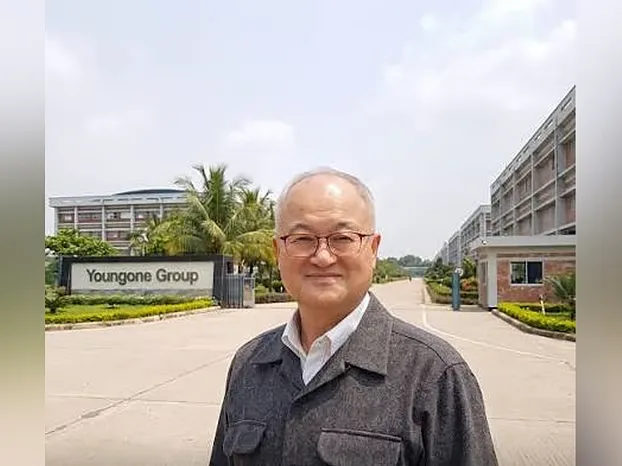
Yangwan Corporation Chairman Keehak Sang told Prothom Alo that Yangwan wants to increase the production of synthetic fiber products in Korean EPZ and bring more stages of production under their own management. But the major obstacle to expansion is inadequate supply of fuel. Due to this, the scope for increasing the production of artificial fiber based products and new investment has been limited. Adequate and reliable energy supply is essential to implement Yangwan's investment plans and increase high-value garment production in Bangladesh.
Abul Khair: Loads of raw materials for heavy industry
Abul Khair Group, which is at the fourth position in the billion dollar club, imported goods worth about 1236 million dollars in the last financial year. The revenue at the import level was 3 thousand 933 crores (about 32 million 15 million dollars). In total, the group imported and exported goods worth 1.6 billion dollars in the last financial year. About 95 percent of the group's imports are industrial raw materials. They have a large presence in various sectors including rods, cement, corrugated iron, powdered milk, tea, tobacco.
In the last financial year, the group exported products worth about 4.3 million dollars. 83 percent of exports are tobacco, with the major destination being the United States. The group is also increasing investments in new sectors. Besides expanding steel production capacity, the group has also invested in the pharmaceutical and jute sectors. The group started exporting medicines last fiscal.
The group, which started in 1953, has been taken to the top by the children of Abul Khair. At present, apart from steel, the group has about half a hundred companies in various sectors including cement, shipping, ceramics. About 60 thousand people have been employed in the group.
Square Group: Medicines at home, apparels abroad
Among the industrial groups in the list, the Square Group exports products to the most countries, followed by Pran-RFL, to 97. The group's import and export trade, including duties and taxes, stood at $121.77 million, which is 1 percent higher than in the 2024-25 fiscal year. In the last financial year, the group imported goods worth about 71 million dollars and exported goods worth about 41 million dollars. The import level has given the government revenue of 1 thousand 284 crores or 105 million dollars.
Square's pharmaceutical business is largely dependent on country markets. In contrast, 89 percent of export earnings come from ready-made garments. The rest comes from medicines, food products and cosmetics.
Emphasis on reducing wastage in production and sustaining business through eco-friendly production.
Tapan Chowdhury, Managing Director, Square Pharma
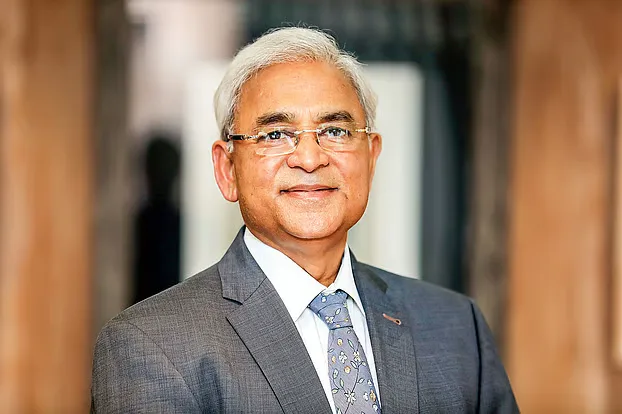
When asked to know, Chairman of Square Textile and Managing Director (MD) of Square Farma Tapan Chowdhury told Prothom Alo, "We are not currently building a new factory. Along with product quality, we have started exporting high value textile products, especially denim fabrics and high value readymade garments. Apart from this, I am emphasizing more on reducing wastage in production and making business sustainable through environment-friendly production.
BSRM: BILLION DOLLARS IN ONE SECTOR
BSRM ranks sixth in the list of billion dollar business with steel business alone. The group imported goods worth $106.35 million in the last financial year. 997 million taka (8 million dollars) was paid in import duties. Exported products worth about two million dollars. The total amount of imports and exports including customs and taxes stood at 116 million 67 million dollars.
About 98 percent of imports are steel raw materials, which come from 70 countries. The group sells almost all of the steel produced from these raw materials in the domestic market. Exports include factory by-products zinc ash, zinc oxide and slag. The two companies of the group listed in the capital market did a business of about 24 thousand crore rupees in the last financial year.
The group, which started in 1952, is now headed by the third generation. BSRM talks about new investment plans to maintain growth despite falling demand for steel.
There are plans to increase investment in this sector to maintain the continuity of growth.
Amir Alihossain, Managing Director, BSRM
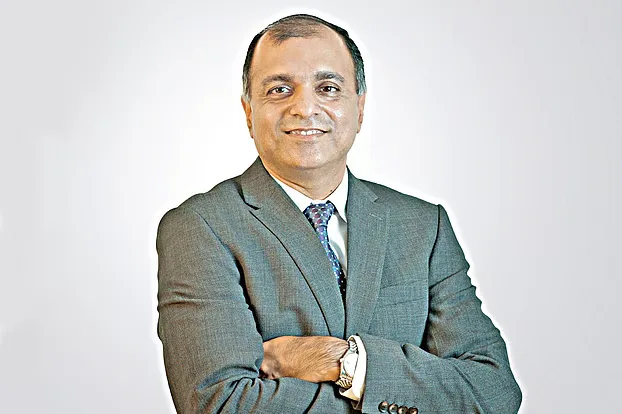
Amir Alihossain, managing director of the group, told Prothom Alo, "Despite the decline in the overall demand for steel, we have maintained growth." This is because the quality of our products is good. There are plans to increase investment in this sector to maintain growth. If I get policy support, I want to build a steel sheet manufacturing factory at a cost of Tk 10,000 crore in Mirsrai.
TK Group: Big Business in Edible Oil
The group imported goods worth $960 million in the last financial year. 1 thousand 905 million taka (about 15 million dollars) was paid in customs and taxes. The export of the group is one million dollars. In all, the group's import-export trade amounted to about $1.125 billion, which is 2 percent less than the previous fiscal year.
98 percent of TK Group's imports are primary and intermediate raw materials for the industry. Most of the raw materials are crude palm and soybean oil. Apart from this, Dheutin also has raw materials and chemicals. The bulk of the group's exports come from crust leather exports. Apart from this, the group is exporting food products, steel, chemicals. About 35 thousand people have been employed in the group.
Samuda Group, a subsidiary of TK Group, is currently expanding its business. Samuda Group is expanding its business in Petrochemical, Synthetic Yarn, Soybean Seed Milling Plant.
Today there are many global challenges. Still we are expanding the business step by step as per the plan.
Muhammad Mustafa Haider, Director, TK Group
When asked, the director of TK Group, Muhammad Mustafa Haider, told Prothom Alo, "Currently, there are many global challenges. However, we are expanding the business step by step as per the plan.
Khair Kashem Group: New Face on the List
Khair Kashem Group has entered the billion dollar club for the first time. Chairman Abul Khair Group formed this new group separately from Abul Kashem Group. The parent company of the group is Smile Food Products Limited. In March and December 2024, the group acquired five institutions. These include seed mills and sugar refineries and three garment factories. Altogether there are nine institutions under the group. After the acquisition, the respective factories came into full production in the last financial year. This is what catapulted them into the billion dollar club for the first time.
In the last financial year, the group imported goods worth 861.6 million dollars, paid duties and taxes of 173.2 million dollars and exported goods worth 39.3 million dollars. In all, the amount of import-export trade is 107 million 41 million dollars. 98 percent of the group's imports are in the edible oil and sugar sectors.
Ha-Meem: Exports two and a half times imports
Ha-Meem Group is also the first in the list of billion dollars. The group exported goods worth $75.16 million last fiscal, against imports of $298.0 million. That is, their exports are two and a half times of their imports. Which is the best ratio among the nine groups.
The group's import-level duty-tax is only Tk 21 crore as the raw material arrives at the bonded warehouse facility. Even if the customs and taxes are excluded, the combined import and export of Ha-Mim has exceeded hundreds of billions of dollars. In total, the import-export trade of the group is 105 million dollars. It is the top exporter among the domestic industrial groups. Apart from clothing, the group also has tea plantation, printing, media and jute mill businesses.
When asked, managing director of Ha-Meem Group AK Azad told Prothom Alo that working for world-renowned brands has helped them grow their business. Besides, they have also increased the production capacity in various ways. The last few years in particular have given more emphasis to the use of automated technology in manufacturing. It has increased the production, which has benefited them in business as well.
Over the past few years, more emphasis has been placed on the use of automated technology in manufacturing. It increased production.
AK Azad, Managing Director, Ha-Meem Group
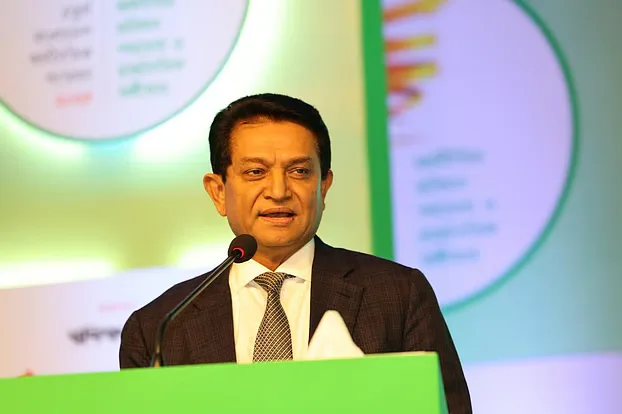
AK Azad hopes that if the overall law and order situation in the country is normal, if there is no incident of labor unrest and if no new uncertainty is created, they will be able to maintain this trend of business growth in the future.
When asked to know, Mostafizur Rahman, Honorary Fellow of Center for Policy Dialogue (CPD), told Prothom Alo that the amount of transactions of these groups, which started from small and medium enterprises, has now exceeded hundreds of billions of dollars. They have reached this stage today due to the hard work and skills of entrepreneurs and government policy support. At present, those who are small and medium entrepreneurs need policy support to enable them to reach this level. While large industrial groups can face various challenges, small and medium entrepreneurs do not. According to him, this number should be more in an economy like Bangladesh. Those who fall below the $100 million threshold also need to be analysed.
🌐 This English version was automatically translated from the original Bangla.