
Facet, the Bangladeshi-origin entrepreneur's cross-border payments company, is now a billion-dollar unicorn
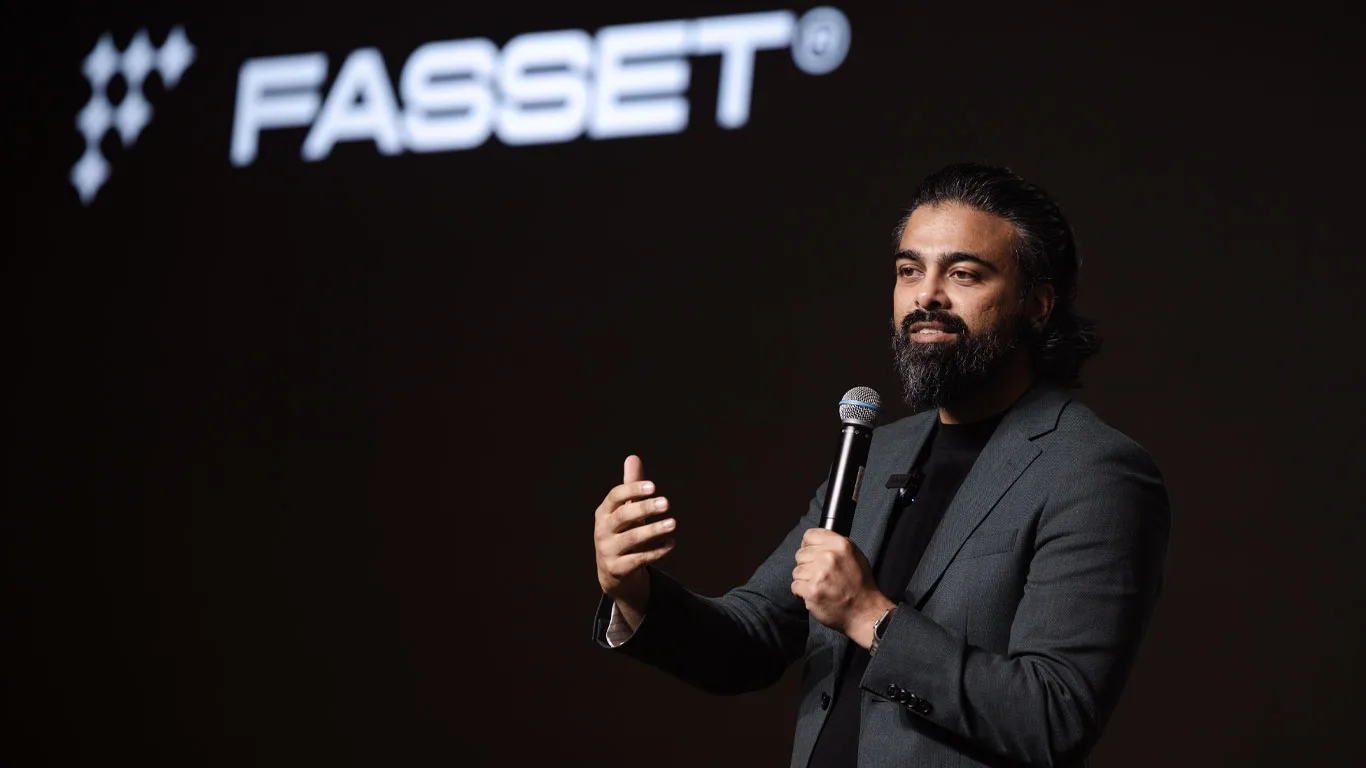
Bangladeshi-born entrepreneur Mohammad Rafi Hossain's organization Facet has joined the ranks of global unicorns like Stripe, Revolt and Phonep. The company's valuation has risen to $1 billion after receiving Series C funding of $68 million led by Japan's SBI Group. This is the first time a company founded by a Bangladeshi founder has become a unicorn in the global fintech sector.
When developing countries are lagging behind due to high fees, slow transactions and complex processes in global economic system payment exchange, Rafi Hossain, who studied Environmental Economics and Sustainable Development at University of California Berkeley and Harvard University, with his team is working relentlessly to change the situation through Facet in Cross Border Payment Solutions.
Since its inception in 2019, Facet currently serves more than 3 million customers in 125 countries. More than 1000 organizations worldwide are using this platform. Annual transaction volume exceeds $40 billion. The round was led by SBI Group, one of Japan's largest financial groups, which has invested in Ripple, Circle and Morpho. SpeedInvest, which joined from Series B, also continued to invest.
For Bangladeshi freelancers, remote workers and entrepreneurs operating businesses abroad, Facet is processing international payments at a faster and lower cost than conventional banking channels. Due to the lack of global payment platforms, Bangladeshi freelancers and businessmen operating in the international market had to face additional hassles to withdraw money from foreign clients, Facet reduces that barrier.
And since Facet's transactions are compliant with Bangladesh Bank's remittance norms, those receiving payments through this platform are eligible for the government's 2.5 percent remittance incentive. That is, if a freelancer gets 1000 dollars through Facet, he will get about 2.5000 more from the government on top of the money given by the client. Most informal payment channels do not have this facility.
At the core of Facet's AI-powered infrastructure is the “One Network”, Facet's own managed financial infrastructure that connects banks, telecoms, payment providers and settlement networks in more than 100 banking corridors around the world.
SBI Group Chairman Yoshitaka Kitao said, 'The work Fasset is doing is very important to us. Facet could bridge the financial gap between Japan and fast-growing markets. Facilitating remittances and international transactions through stablecoins is a big part of our Asia-Pacific strategy. Fassett is working towards that goal.'
SpeedInvest General Partner Stefan Klestil said, 'People and businesses in developing countries are still largely excluded from the benefits of global finance. Fassett brings that opportunity to them, within a controlled framework. We are proud to be with Rafi, Daniel and their entire team on this journey.'
Fassett plans to use the Series C proceeds in three ways. Extending the reach of the AON network, deepening the use of AI technology in international transactions and digital asset management, and launching new financial services for everyone from ordinary consumers to businesses and large institutions.
Mohammad Rafi Hossain, chief executive and co-founder of Facet, said, 'We want to build a banking system where who is where, who is a citizen of which country, which currency they earn, will no longer be an obstacle. Any person, from any place, can access any resource. The present banking structure is not able to provide this facility. So we're not building a new layer on top of that structure, we're building it all over again.'
🌐 This English version was automatically translated from the original Bangla.