
Garment orders shift from Bangladesh amid unrest, with India the biggest gainer
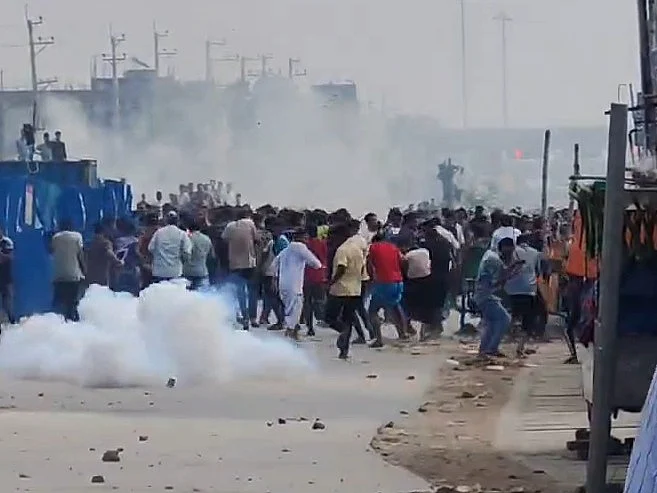
Global fashion brands including Zara, H&M, Marks & Spencer and Celio moved about 10 percent of their monthly orders from Bangladesh to other Asian countries in the first half of November, three factory owners said. The orders were moved as Bangladesh's competitiveness weakened amid production disruption from four weeks of worker protests demanding higher wages, and rising production costs.
According to garment factory owners, orders worth about $254 million went from Bangladesh to other countries between November 1 and 18 because of the labour unrest, with a large share going to neighbouring India. The shift is a heavy blow to the garment industry, a mainstay of Bangladesh's economy. Even if the labour unrest ends, the impact could be long-lasting.
Industry leaders say rising wages, the energy crisis and political uncertainty have eroded Bangladesh's low-cost advantage, which helped it become the world's second-largest garment exporter after China. These factors are now pushing international brands to look at other sourcing countries.
The Bangladesh Garment Manufacturers and Exporters Association (BGMEA) estimates that factories have lost more than $400 million in output because of the wage unrest.
More than 80 percent of the country's export earnings come from the garment industry, which also accounts for about 40 percent of manufacturing jobs.
Industry leaders said India has gained the most from the orders moved by international brands. Buyers are also turning towards Vietnam, Cambodia and Indonesia to reduce supply chain risk and ensure on-time delivery.
Late last Tuesday night the wage board made a provisional decision to raise garment workers' minimum wage by 36 percent, bringing it to Tk 17,000. But workers protested the next day, disrupting production at 405 factories. The trend eased somewhat on Thursday.
Three factory owners told Reuters, on condition of anonymity because of their relations with international buyers, that brands including Zara, H&M, Marks & Spencer and Celio had moved orders from Bangladesh because of the unrest, and that India had won a large share of them.
Inditex, Zara's parent company, declined to answer Reuters' questions. Marks & Spencer, H&M and Celio did not respond to requests for comment.
BGMEA director M Mohiuddin Chowdhury said garment makers are under added pressure from higher wages, utility costs and raw material prices.
Mohiuddin Chowdhury said, 'As buyers press to cut prices further and competition from rival countries grows, the wage rise has pushed production costs up even more.'
BGMEA president Mahmud Hasan Khan declined to say which brands had moved orders. He said the industry is trying to retain international buyers and limit financial losses, and that moving some orders to other countries was temporary.
Fears for future orders too
Factory owners say their big worry is that, after the orders already moved elsewhere, Bangladesh may lose future orders too. Instability in the Middle East has also deepened the energy crisis, hampering production. Some factories have to buy electricity from alternative sources at higher prices.
BGMEA director M Mohiuddin Chowdhury said that when choosing garment suppliers, buyers now put delivery time ahead of price. 'When brands are under pressure to deliver on time, price becomes a secondary consideration,' he said. According to him, Indian factories can deliver about a week earlier than Bangladeshi ones, while Vietnam and Cambodia can cut lead times by up to 15 days.
The disruption has created a backlog of work at factories. Factories around Dhaka have lost an estimated 20 to 25 days of production. To deliver to buyers on time, some factories are now considering overtime work and costly air freight.
Khan Monirul Alam, managing director of Alps Apparels Group, said the labour unrest has already affected new orders. 'Since November 1, most of my buyers have stopped placing new orders. They tell us orders have been moved to other countries, put on hold or cancelled. They have already made alternative arrangements,' he said.
Meanwhile, political tension over the possible return to Dhaka of former prime minister Sheikh Hasina from India has raised fresh concern.
Industry leaders say that to retain international buyers, stability must be restored in the country and uninterrupted production ensured. Orders that went to other countries during the unrest may not return to Bangladesh even when the situation normalises.
🌐 This English version was automatically translated from the original Bangla.