
From secondary school to a degree behind bars: a novel inspired by his life
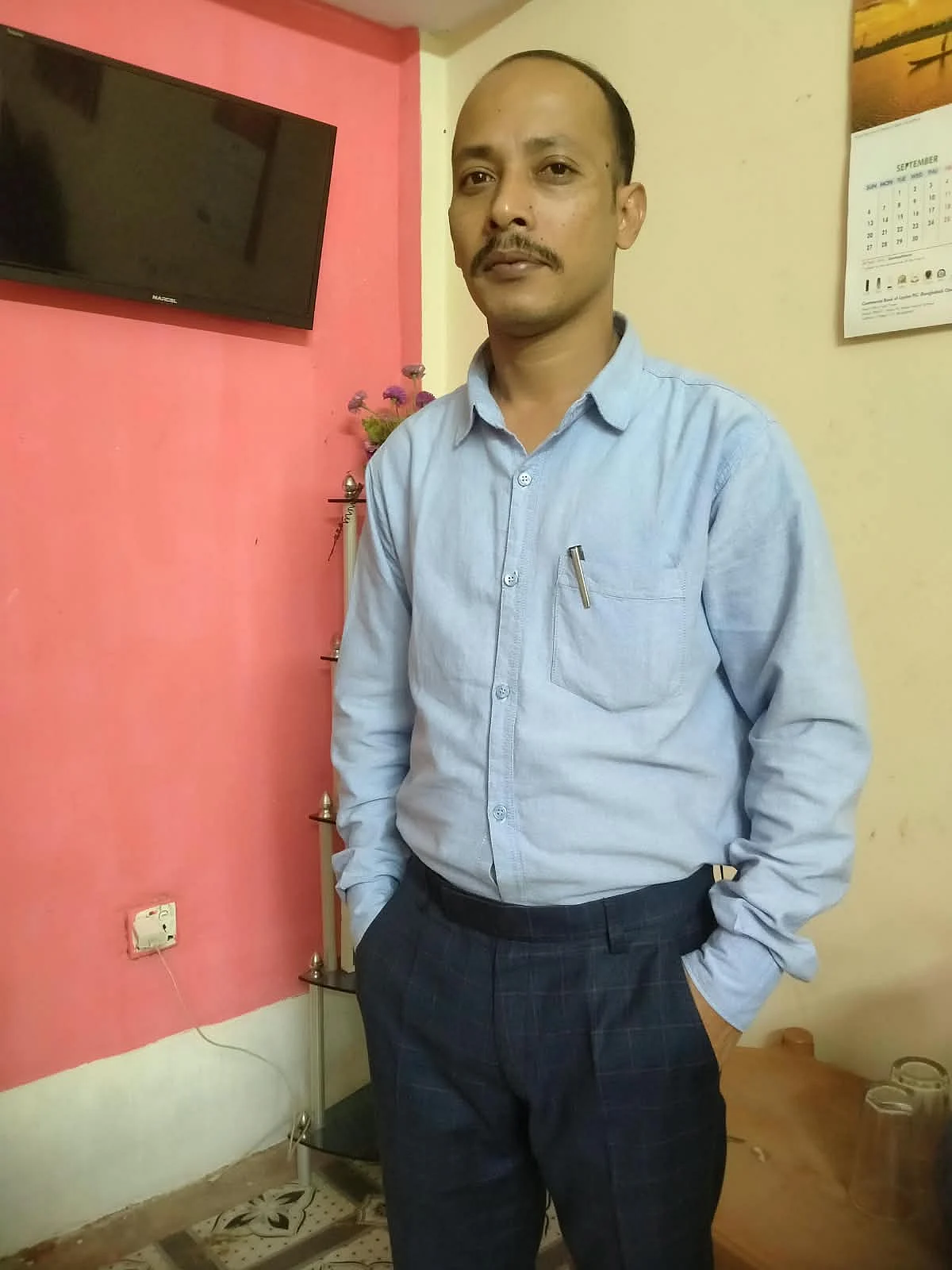
Badal Faraji of Bangladesh was caught up in a murder case in Delhi because of a name mix-up while visiting India. An Indian court sentenced him to life imprisonment. After nearly 10 years in an Indian jail, he was brought back to Bangladesh in 2018 under a prisoner exchange agreement, and then spent about eight more years in Bangladeshi prisons. Through the efforts of well-wishers, Badal was released on four weeks' parole after 18 years and returned on November 24 to his home in Mongla, Bagerhat. That day he was visited at home by Rahitul Islam, author of the novel on Badal's life, Badal's Imprisonment.
Badal Faraji on one side of the iron bars, and us on the other. By 'us' I mean Badal's sister Aklima Begum, journalist Mizanur Rahman and me. Badal did not know we were coming to see him. He was playing cricket inside the prison, in a shirt with his trousers rolled up. When the guards called him over, he was somewhat surprised to see us.
I first heard Badal Faraji's story from Mizanur Rahman. After deciding to write a novel about him, I looked into it and found that Badal's imprisonment had been widely discussed in both Bangladesh and India. Human chains and other programmes were held in both countries demanding his release. Prothom Alo also published regular reports on him. I read the reports on Badal by Rozina Islam. Then I contacted Badal's sister and heard from her in detail about the events of his life, the case and his imprisonment.
In July 2008, Badal Faraji entered India via Benapole to see the Taj Mahal. Soon afterwards he was detained by India's Border Security Force (BSF) in connection with a murder case. Nirmala Madan, 71, had been killed at her home in Delhi, and police were looking for her domestic worker, Badal Singh. In that murder case, Badal Faraji was shown as arrested under the name 'Badal Singh'. His family and human rights activists say Badal could not explain who he was or where he came from because he knew neither English nor Hindi. He then spent nearly 10 years in Delhi's Tihar jail. He completed his secondary, higher secondary and bachelor's studies while in prison, and was also involved in various kinds of work there.
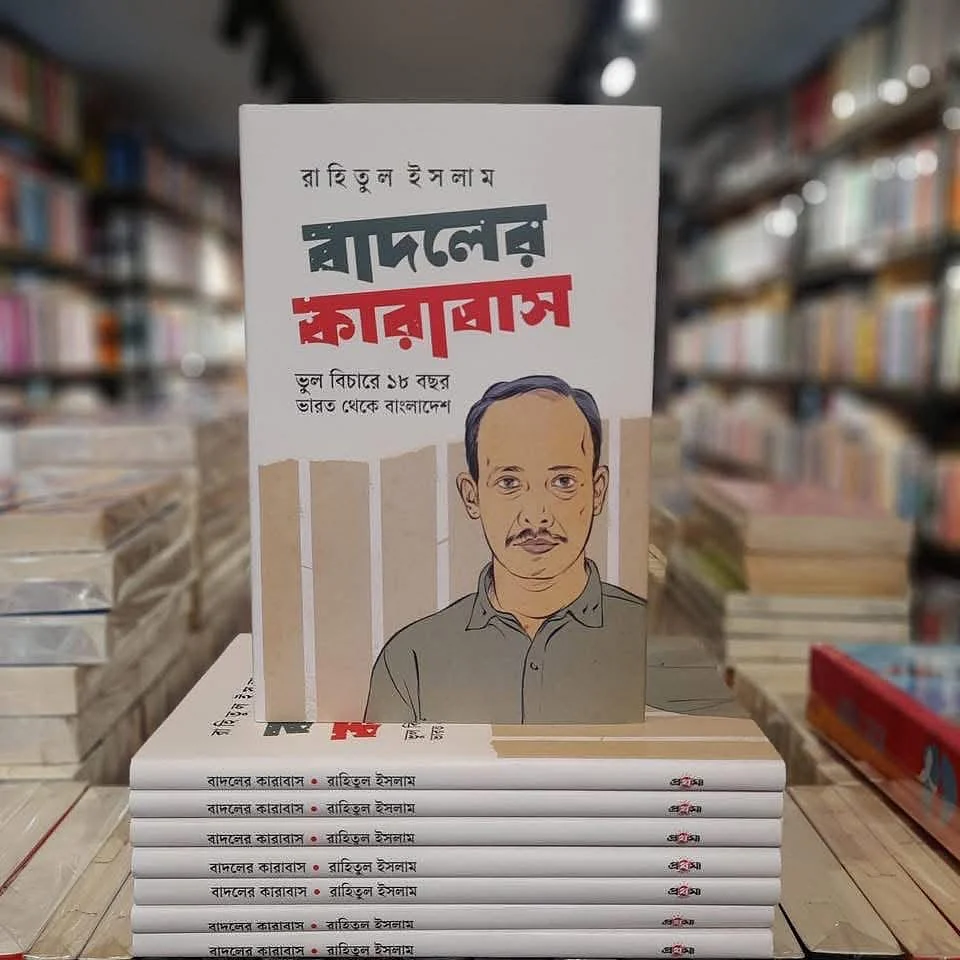
I also collected the case documents. Since 2022 I have spoken with Badal several times on the weekly phone calls permitted by the prison authorities. After being sent from India to Bangladesh in 2018, he was first held at Dhaka Central Jail in Keraniganj and later moved to Kashimpur High Security Central Jail. It was in this prison, in 2025, that I saw him in person for the first time. There was no way to talk much. After learning a few necessary details, I asked Badal whether, if he were freed, he would want to go back to the Taj Mahal that had landed him in jail.
At the question, Badal's eyes welled up. He said, 'I went to see the Taj Mahal and landed in a dark jail. I can't even get out of here, so how will I see the Taj Mahal!'
Before returning to Bangladesh under the prisoner exchange agreement, he had been asked in an Indian court too whether he would go to see the Taj Mahal again. That day Badal had said, 'Yes, I will come again. If I get the chance, I will go.'
Without thinking much, to console Badal I once said, 'I will get you back to your mother.'
But Badal was so broken at the time that even words of hope could not comfort him. With a faint smile he said only, 'Let's see what happens...'
This year, after the novel on Badal, Badal's Imprisonment: 18 Years of Wrongful Trial—India to Bangladesh, was published by Prothoma, I went to the prison again with his sister. As per prison rules, I submitted the book. After checks, it was delivered to Badal. After reading it, he called me from the official phone and said, 'You have captured everything in depth, including the cover photo.'
I kept recalling that conversation. The man who spent so many years in prison after going to see the Taj Mahal still held on to his wish to see it. At the end of the conversation he had said, 'If I ever get the chance... I will go.'
That word 'will go' still rings in my ears. In my heart I hoped Badal would one day truly return to his mother, and stand again in front of the Taj Mahal.
On November 16, that path opened a little. Following his sister's application, the home ministry approved four weeks of parole. Badal's lawyer in India, Sarthak Magon, helped make the way for parole. I had been waiting ever since. On November 23, word came that Badal would be released from prison the next day.
'Mother didn't come?'
On the morning of November 24 we set out from Dhaka, accompanied by Pavel Babu, founder of Procheshta Foundation. The foundation, along with several journalists and lawyers, had been involved in efforts and campaigns to free Badal in Bangladesh; in India, human rights activist Rahul Kapoor and many others were involved. Our destination was Mongla in Bagerhat, where Badal's home is.
Near Mongla we heard that Badal would not be brought directly home. He would first be taken to Bagerhat district jail and, after formalities, delivered home under police security. We had no choice but to turn the car around and head for Bagerhat jail.
It was 2pm. After several hours of waiting, I sat down to eat at a hotel outside the prison. I had barely taken a mouthful when our driver came with the news: 'The vehicle is coming.'
I ran to the prison without washing my hands. A prison van was waiting to go in. As I got closer, a voice came from inside: 'Brother Rahitul!'
Badal was in the van. Were his eyes wet? He said, 'Brother, didn't Mother come?'
A man was about to pass through the prison gate after 18 years, and his first question was where his mother was. When we met in prison, he had told me that if freed he would go straight to his mother. Hearing that, my eyes filled too.
I said, 'We will take you to your mother. That's why I told her not to come.'
Then more waiting. Letters passed from office to office. At one point there was even uncertainty about whether he would be released that day. I asked around in various places. As afternoon wore on, a police vehicle arrived, and I was sure Badal was going home that day. Journalists waited outside the gate with rows of camera stands. In the evening, a police vehicle carrying Badal suddenly sped out, honking its horn. We followed but could not catch up.
Home after 18 years
We left the car at Mongla port and crossed the Pashur river by trawler. Badal's mother Shefali Begum and sister Aklima Begum were standing at the jetty. Badal had not yet arrived. Aklima said the police had asked them to go to the police station. I said, 'Let's go.'
Badal's ailing mother climbed the steps of the police station to the first floor. News came that the police vehicle was stuck on the other side of the river, as the ferry was delayed by the tide. Badal's mother was crying, asking again and again when her son would come. Her daughter sat beside her, consoling her. For someone who had waited 18 years, these few minutes seemed the longest of all.
At last Badal's vehicle stopped at the station gate. As he got out, Badal came and embraced us. Then he climbed the stairs and clasped his mother's feet. Every person at the police station had wet eyes.
The conditions of parole were explained to Badal. In legal terms, parole is the temporary release of a prisoner on certain conditions. While on parole, Badal Faraji may not engage in any political discussion and is not allowed to speak to the media or give interviews. When the period ends, he must return to prison with the help of law enforcement.
We went ahead from the police station to Badal's house; the police would bring Badal. By then the road was crowded with villagers and journalists.
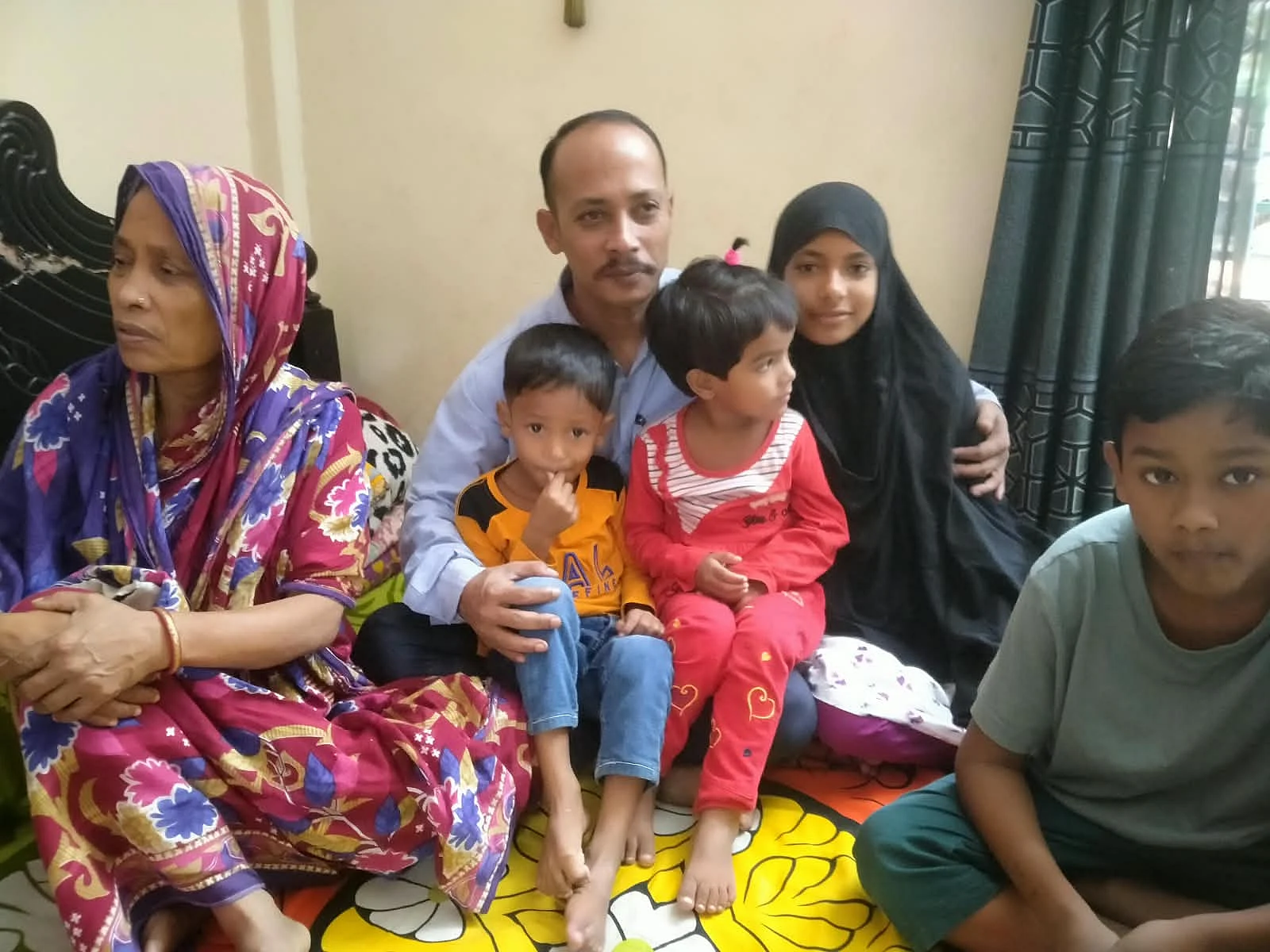
Badal arrived. The police handed him over to his mother. Mother, sister, relatives: all were in the yard. After 18 years, Badal Faraji was in his own home. He walked around, looking at the house. He met everyone one by one. His face said he still could not believe it was all real.
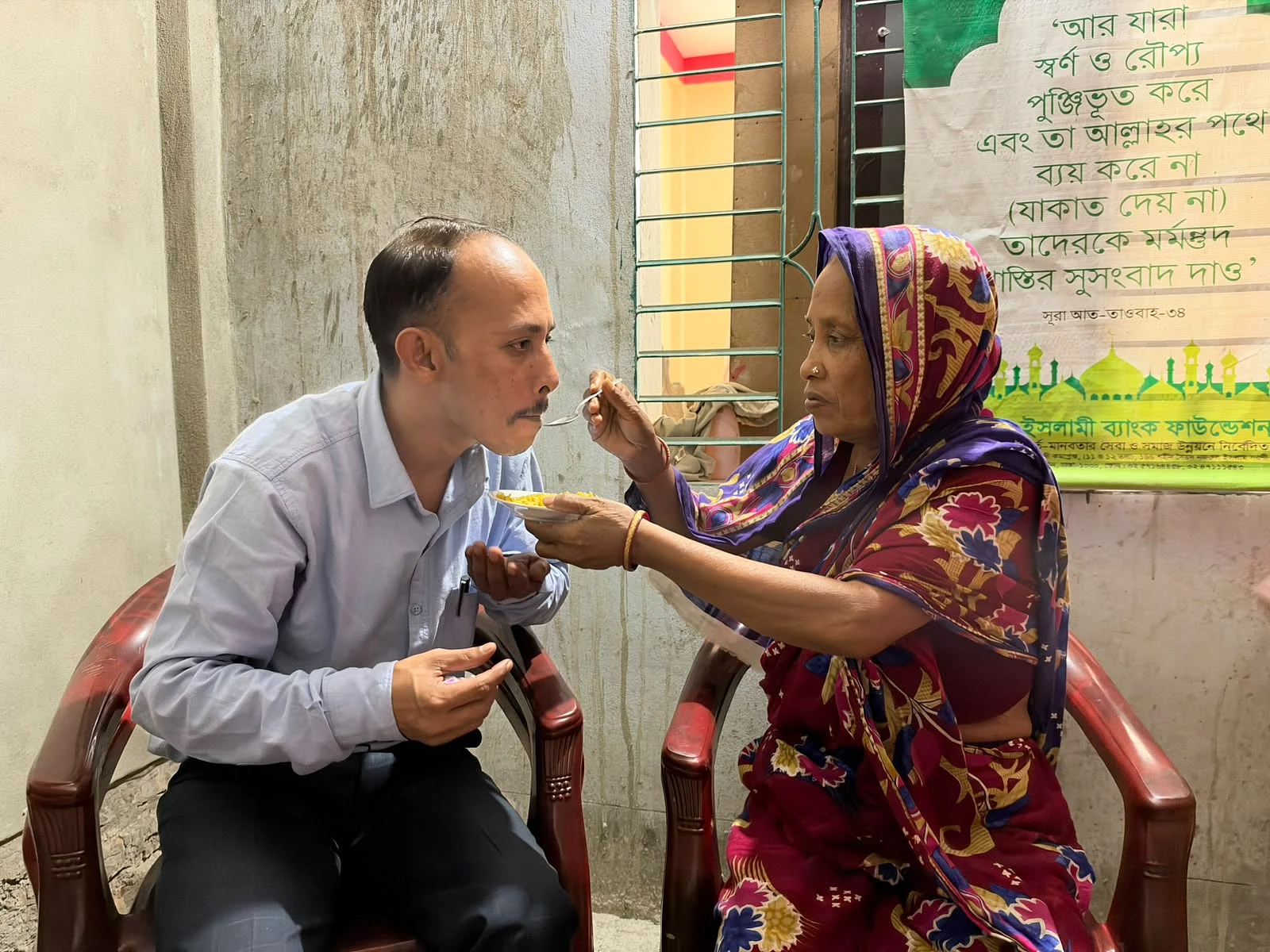
The night grew deep. Police outside; inside, the rest of us with Badal's mother and sister. Gradually the crowd outside thinned. To celebrate Badal's return, there was stir-fried greens, tengra fish, beef and egg bhuna. I had dinner with Badal in his home. That feeling cannot be put into words.
At 4:30 in the morning I took leave of Badal. I left behind a mother whose son had come home after 18 years.
In my heart I said: may Badal's return be permanent. May he live with his mother in a free life.
Which zodiac signs may make wrong decisions out of overconfidence
🌐 This English version was automatically translated from the original Bangla.