
'We want to be a partner in building sustainable infrastructure'
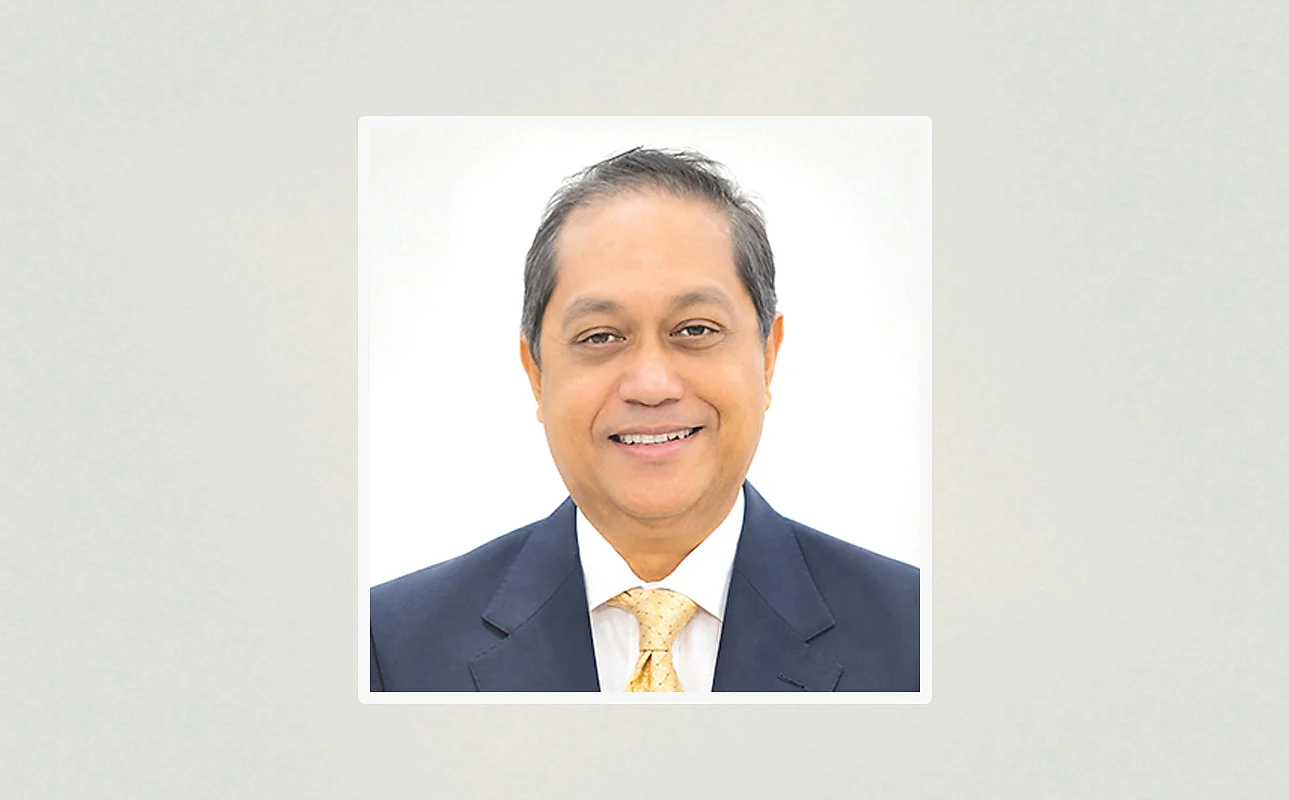
Bangladesh's construction materials industry is facing multiple challenges. Even in these difficult times, the Akij Building Solutions Cluster is looking to future opportunities through production efficiency and eco-friendly technology. Asadul Haque Sufiani, chief executive of the cluster, spoke to Prothom Alo about the sector's current crisis and the company's plans. The interview was conducted by a staff correspondent.
What challenges is the construction materials industry facing in the present adverse conditions?
Asadul Haque Sufiani: Rising raw material prices in the international market, volatility in the dollar rate, and higher fuel and transport costs have put heavy pressure on production costs. At the same time, demand has fallen, making it difficult to adjust prices. The main challenge now is to make proper use of production capacity and keep cash flowing. In this situation, we must raise production efficiency and the use of technology, rather than simply cutting costs.
How is the slowdown in the economy and in projects affecting your operations?
Asadul Haque Sufiani: The slowdown in public and private construction has directly reduced demand. As a result, managing the fixed costs of factories has become challenging. We are now aligning our production planning with actual market demand and improving supply chain efficiency. In marketing, too, we are prioritising earning customers' trust and building long-term relationships rather than focusing only on sales.
What is Akij Cement's strategy for dealing with high clinker prices and shortages?
Asadul Haque Sufiani: Our strategy is to improve operational efficiency and save energy without compromising quality. A major distinguishing feature of Akij Cement is its use of processed iron slag instead of fly ash, which increases concrete density and prevents corrosion of reinforcing bars. Rather than compete on low prices, we want to ensure the real value of customers' investment through the long-term durability of structures.
What technologies are you adopting for eco-friendly cement production?
Asadul Haque Sufiani: Using blast furnace slag, a by-product of the steel industry, reduces dependence on clinker and cuts carbon emissions. It also increases the long-term strength of concrete. The main aim of our research is to improve energy efficiency and the durability of concrete. The longer a structure lasts, the less need there is for rebuilding and extra use of resources. That is what being truly eco-friendly means.
How difficult has it become to deliver quality products at affordable prices?
Asadul Haque Sufiani: It is undoubtedly a difficult challenge, because customers' purchasing power has fallen. But the quality of construction materials is a matter of people's lives and safety, so there is no room for compromise.
What policy measures are needed to overcome this crisis and ensure sustainable growth for the industry?
Asadul Haque Sufiani: Four steps are essential for the sector's recovery. First, speed up public infrastructure projects and pay contractors' outstanding bills quickly. Second, ensure the availability of dollars for raw material imports, a rational duty and tax structure, and uninterrupted fuel supply. Third, create long-term, predictable policies and access to financing on easy terms. Fourth, strengthen quality control and offer policy incentives for investment in eco-friendly technology.
What are your future plans for the construction business?
Asadul Haque Sufiani: We want to be a partner in building Bangladesh's safe, modern and sustainable infrastructure of the future. We are optimistic about the sector's long-term prospects because of urbanisation and infrastructure development. In the future, we want to build a complete construction solutions offering through new products, digital technology and research. To that end, we are building bridges for joint research and knowledge exchange with the country's leading engineering universities.
🌐 This English version was automatically translated from the original Bangla.