
Bangladesh's clothing exports to the EU have decreased, while China's has increased
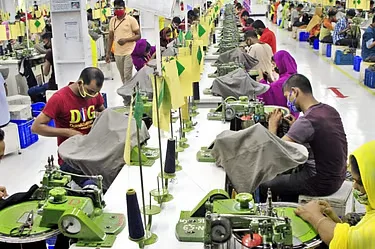
Bangladesh's garment exports to the European Union (EU) market have declined. However, exports to China and Vietnam have increased. In this, compared to the two competing countries, Bangladesh has fallen behind in the export of clothing to the EU.
In the first eight months of this year (January-August), Bangladesh's garment exports to the EU have decreased by about 12 percent. In contrast, China's exports increased by 2.38 percent, and Vietnam's increased by 4.46 percent. However, like Bangladesh, Türkiye and India's garment exports also declined during this period.
Such information has emerged in the updated statistics of the EU statistical agency Eurostat. It shows that in the first eight months of this year, the EU's total clothing imports decreased by 3.83 percent to 6,290 million euros compared to the same period of the previous year. In the first eight months of this year, Bangladesh's exports fell by almost three times compared to the reduction in imports of ready-made garments by EU buyers as a whole.
From last January to August, Bangladesh exported 1 thousand 193 million euros worth of ready-made garments to the EU. This export is 1.58 billion euros or 11.67 percent less than the same period last year. On the other hand, in the first eight months of this year, China exported 1,971 million euros worth of clothing to the EU market. Compared to the same period last year, the country's exports increased by 2.38 percent or 45 million euros. At the same time, Vietnam exported 3 billion euros worth of ready-made garments. This export is 13 million euros or 4.46 percent more than the same period last year.
Bangladesh's market share has decreased
Due to decrease in exports, the market share of Bangladeshi manufactured garments in the EU has also decreased. In the first eight months of last year, Bangladesh's share in the EU's total garment imports was about 21.5 percent. In the same period of this year, it has come down to about 19.8 percent.
On the other hand, China's share has increased. In the first eight months of this year, China's share in the EU's total clothing imports increased from 30.72 percent to 32.7 percent. That is, although the size of this market is somewhat small, China has strengthened its position there. China is the top exporter of ready-made garments to the EU market. Bangladesh is in the second position. Türkiye is the third top exporting country in this market. Then there is India and Vietnam.
Why is Bangladesh lagging behind
Although Vietnam's export volumes fell, the country increased its exports by increasing the average price of clothing per kg. On the other hand, China strengthened its top position by increasing the volume of clothing despite the decrease in average price. The average value of Turkey's exported garments also increased.
Meanwhile, in terms of quantity, Bangladesh's garment exports have decreased by 4.5 percent. Again, the average price of clothing per kg decreased from 14.87 euros to 13.76 euros. That means, the average price of clothing fell by about 7.5 percent in the first eight months of this year. As a result, exports of manufactured garments from Bangladesh have declined due to lower prices in addition to reduced export volumes.
Several entrepreneurs of the ready-made clothing industry said that after the imposition of counter-tariffs in the US market, the duty on China's clothing exports increased. The Chinese started aggressive marketing in the EU market. Offers low prices on clothing. For this reason, Bangladeshi exporters face intense competition in the market. In addition, most countries' apparel exports fell in the early months of the year as the EU economy slowed somewhat.
When asked to know, the former director of BGMEA, the association of ready-made clothing industry owners, Mohiuddin Rubel told Prothom Alo, "In June, July and August, EU buyers increased the import of ready-made clothes." As a result, our garment exports have also been somewhat positive. But since China was already doing aggressive marketing, Chinese business grew more when the EU market recovered. But Bangladesh is also reducing the gap.
Mohiuddin Rubel also said that if the war situation does not deteriorate too much, the EU market may turn around a bit in the coming days. Then exports will increase a bit more. However, there is not much room for improvement if we do not add diverse clothing to the list of exports and increase competitiveness.
🌐 This English version was automatically translated from the original Bangla.