
Fear of food crisis due to disruption of fertilizer transport through the Strait of Hormuz, UN compromise proposal
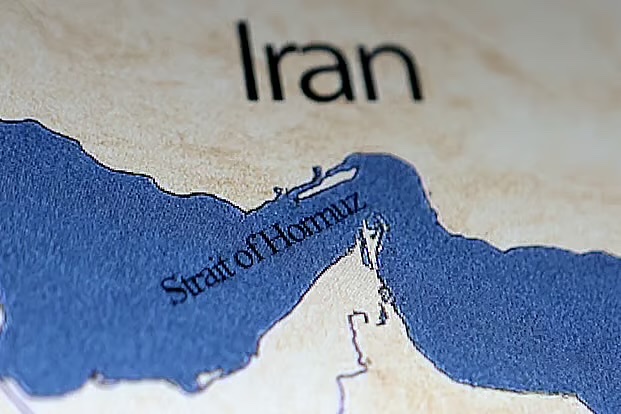
The disruption of fertilizer transport through the Strait of Hormuz has raised fears about food security in parts of Asia and Africa. This may further increase the price of food. The United Nations has called on Iran and the United States to quickly reach an agreement to deal with this situation. The agency proposed that fertilizer be transported through the Strait of Hormuz under UN supervision.
United Nations Under-Secretary General Jorge Moreira da Silva said this on Wednesday. He told Reuters on the sidelines of a meeting of the International Monetary Fund (IMF) and the World Bank in Bangkok, Thailand.
Jorge Moreira da Silva said. It is "absolutely imperative" that Iran and the US agree on the proposal within the next few weeks as the sowing season approaches. Danger when the sowing season is over. At this time, if the farmers do not get fertilizer, the production will decrease a lot. At the same time, the price of food will increase a lot.
According to the UN proposal, Oman will be a coordination center for the management of UN staff. The function of this center will be to monitor the safe movement of vessels through this channel by registering the vessels. Al-Jazeera news
Meanwhile, the United Nations Food and Agriculture Organization (FAO) food price index rose to its highest level in nearly four years in September. Last month the value of this index was 136. The situation has arisen due to disruptions in supply and weather concerns. Sugar prices in the international market rose to their highest level in 18 months on fears of intensifying El Nino weather conditions.
On the other hand, wheat futures prices rose to their highest level in three years early last month as trade in the Black Sea region virtually collapsed due to the war. In between, crop disruption due to fertilizers could further worsen the situation.
Agricultural crops have specific timings. As a result, even a slight delay in sowing the seeds can seriously damage the yield.
Since the start of the US and Israel war with Iran, shipping in the Strait of Hormuz has been severely disrupted. Iran has been attacking ships plying in the strait. On the other hand, counter-attacks are taking place between the US and Iran around the Strait of Hormuz.
In this situation, the supply of urea in the world market is being disrupted. Urea is the most widely used nitrogenous fertilizer in the world. Apart from this, transportation of sulfur, one of the most important raw materials for fertilizers, is also being disrupted. Before the start of the war, about one-third of the world's total urea transport and about half of the sulfur transported by sea passed through the Strait of Hormuz.
Despite the crisis, some ships are able to navigate through this channel. However, according to the Washington-based International Food Policy Research Institute, the proportion of fertilizers transported on these ships is 'very negligible'.
Jorge Moreira da Silva said the plan for the UN-backed fertilizer transport system was drawn up last March. It can be launched in just 7 to 10 days if US and Iran agree. However, he did not say anything about why the United States and Iran have not yet agreed to this plan.
Da Silva also said that even if only five ships can pass through the Strait of Hormuz per day, it will be possible to continue the supply to countries that urgently need fertilizer.
🌐 This English version was automatically translated from the original Bangla.