
Why has Diabari's Boubazar gone so viral?
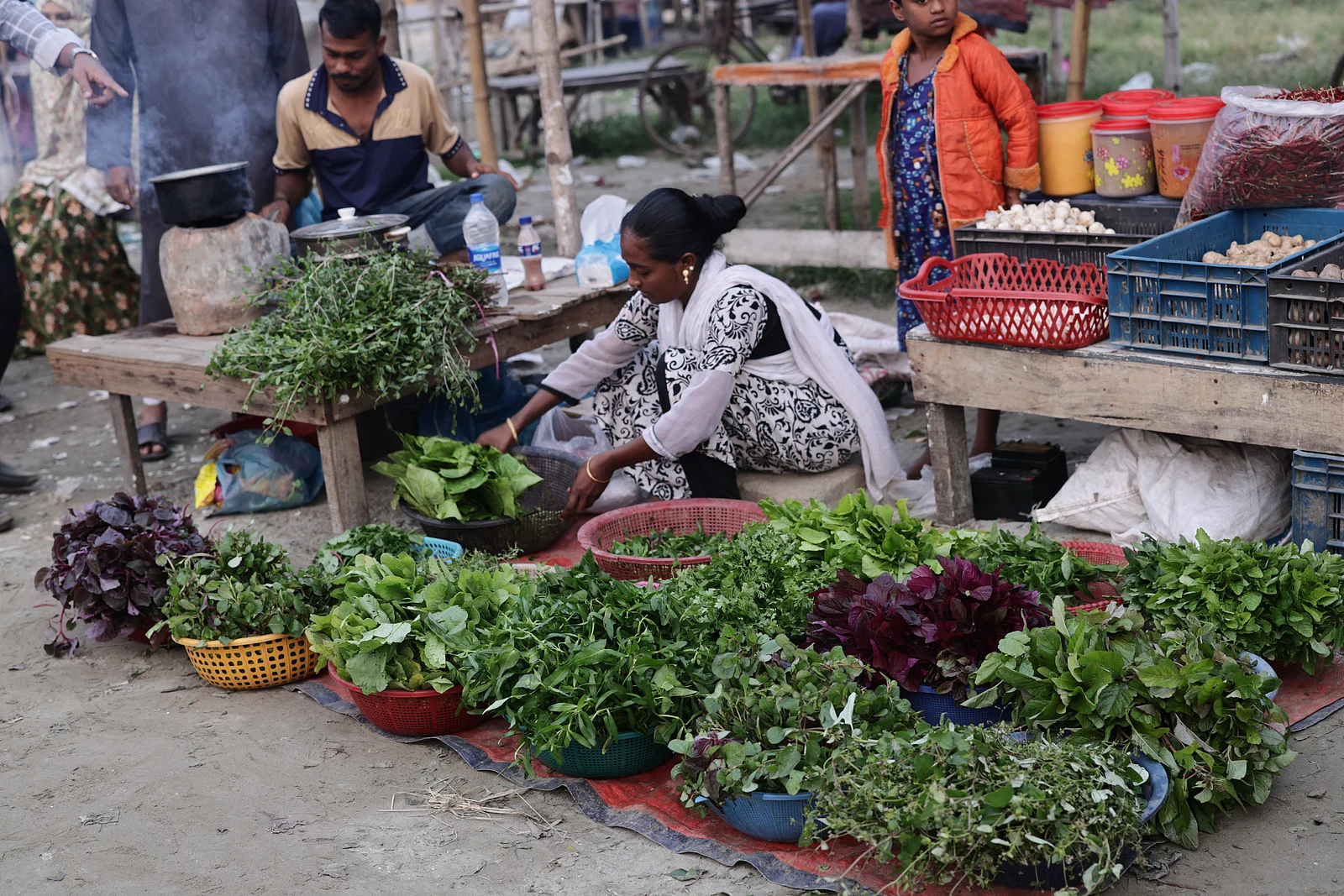
Uttara's Bou Bazar has gone quite viral for its fresh vegetables. Yet many people also say the market simply resells produce from Dhaka's Karwan Bazar. Is that really so? M A Hannan went to see for himself.
On Facebook I often see people I know coming home from Bou Bazar in Diabari with fresh vegetables and fresh river fish. The market is a few minutes' walk from Uttara Center Metro Station. At the same time, I often hear people say the market just resells goods from Karwan Bazar in Dhaka. Is that true? And if not, why has the market become so popular online? I visited Bou Bazar on November 17 to find out.
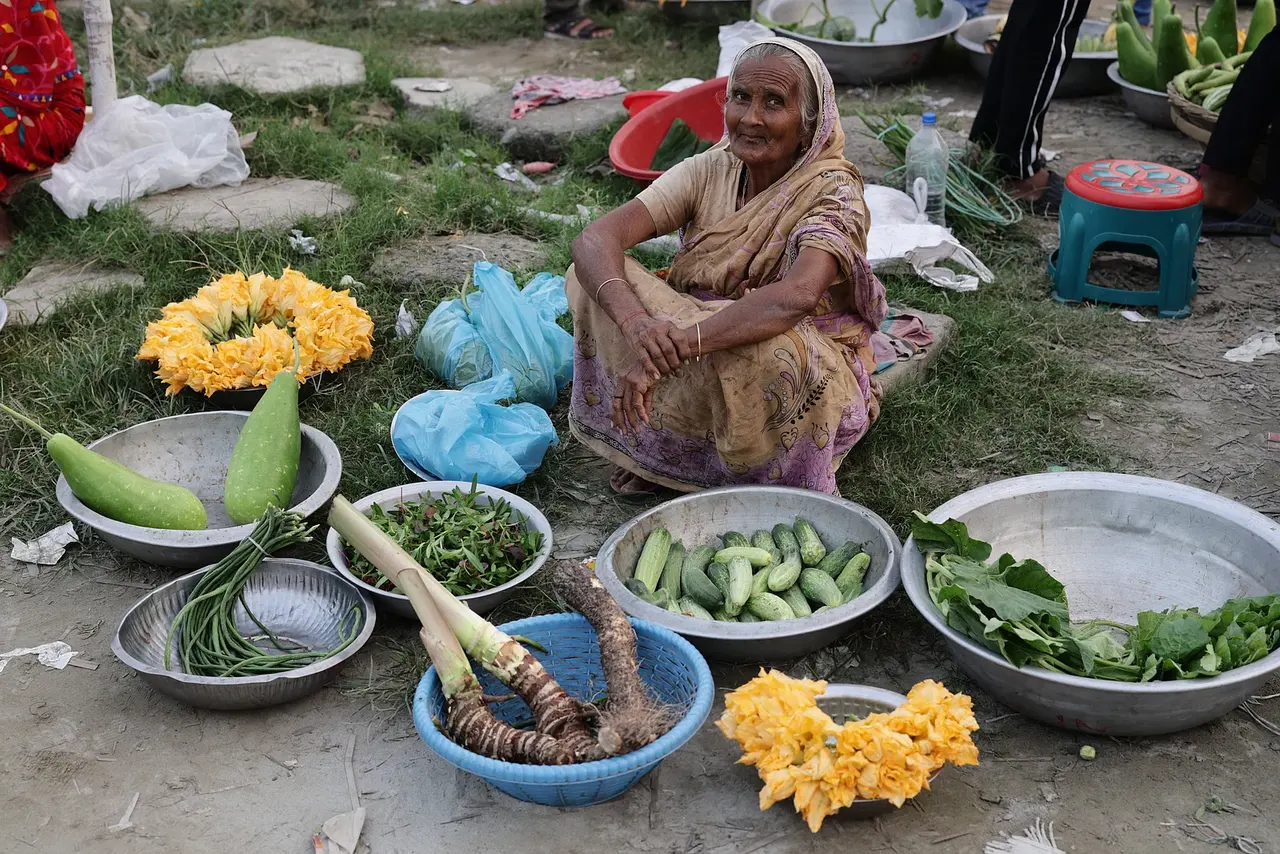
Rubina Akter and Maloti Begum were cutting taro stems brought for sale. In front of them lay banana blossoms, moringa leaves, raw figs and agati flowers. Rubina said that about 20 years ago, rural women from nearby villages used to bring vegetables here in baskets in the afternoon to sell. That is how the market came to be called Bou Bazar, the 'wives' market'. These days, though, most of the sellers are men.
A wooden elephant worth Tk 5 lakh was sold too: what else we saw at the SME fair
An abundance of fresh produce
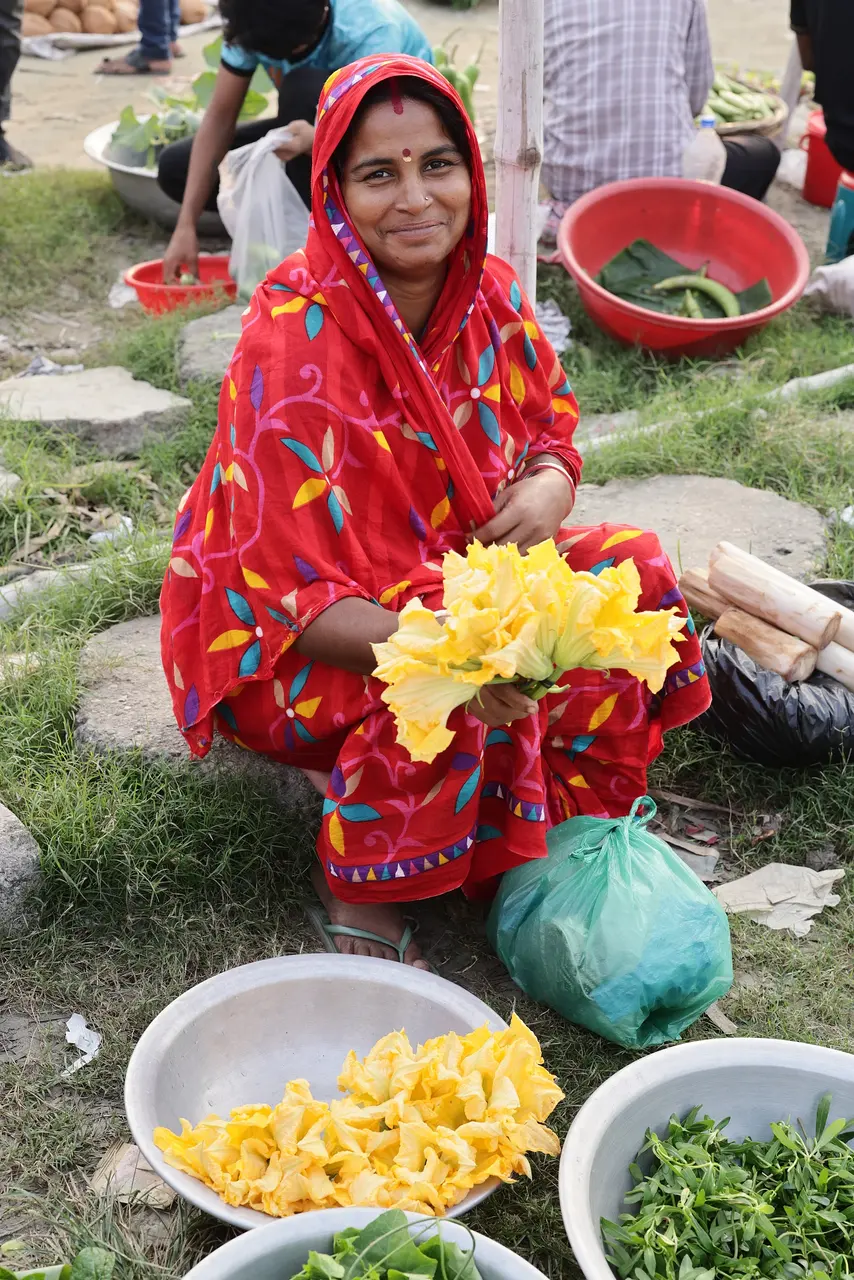
The main attraction is the rows of leafy greens laid out on small woven mats. There are sorrel leaves, local and foreign coriander, and moringa leaves. White and pale pink agati flowers and sweet-pumpkin flowers are on sale, along with every kind of local vegetable. Malabar spinach seeds and bean seeds are sold by the kilo. Limes cost Tk 40 to 60 for four, depending on the variety.
Winter vegetables such as beans, bottle gourd, turnips and radishes are there, as are mou beans, which people eat mashed. Although the Bengali month of Bhadra ended long ago, ripe palmyra fruit is still available at Tk 200. Even though mango season is over, a year-round variety is on sale at Tk 700 a kilo. There are also dragon fruit, Indian olives, local guavas, ripe papayas, karamcha, custard apples, amla, bael, wood apples, red and yellow watermelons, pomelos and elephant apples.
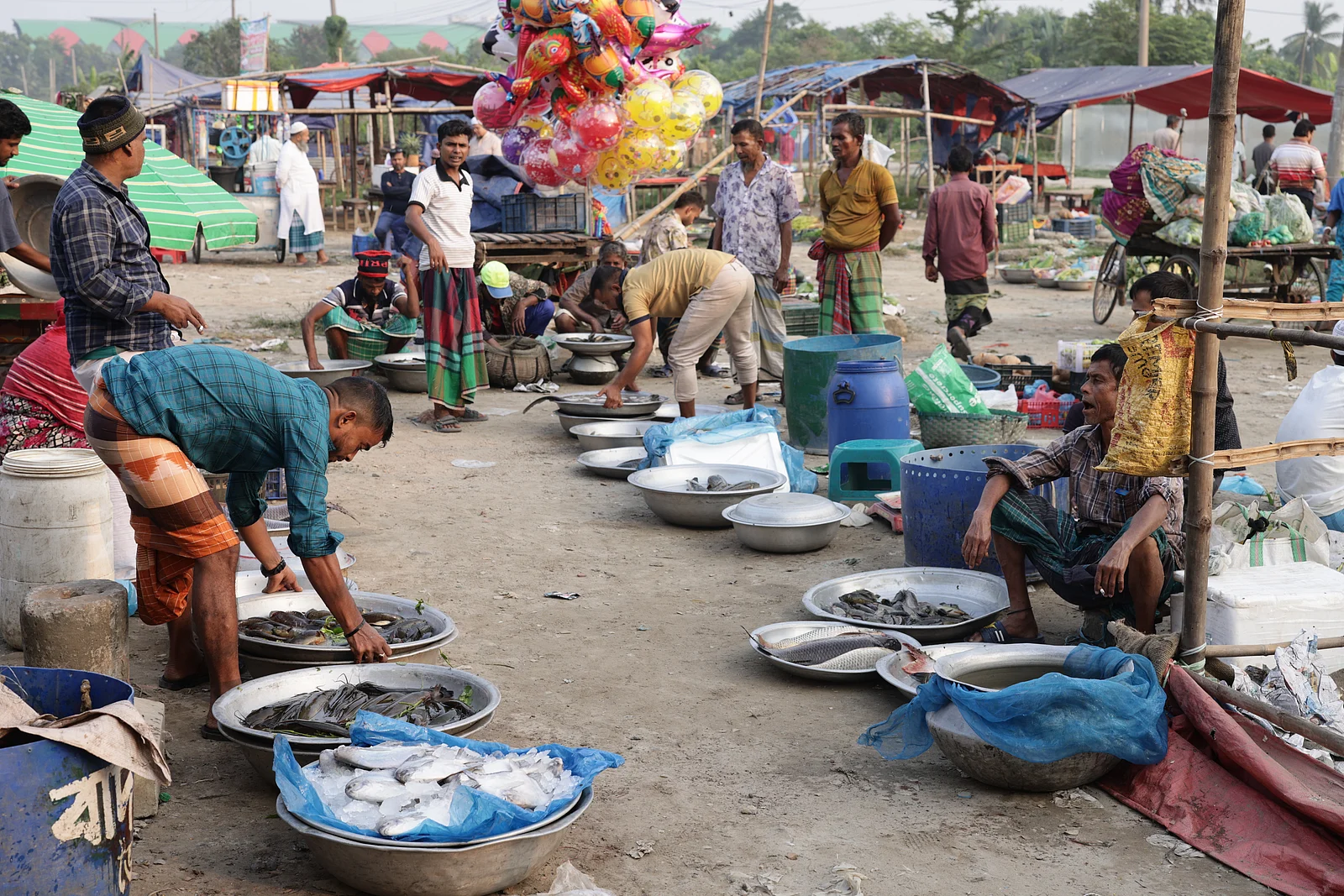
Eggs from local breeds of duck and chicken are especially prominent. Local duck eggs cost Tk 80 for four, local chicken eggs Tk 120 for four and quail eggs Tk 70 for four. Cow's milk is Tk 100 a litre. The most popular, and most viral, items here are the native fish from the wetlands and rivers.
A mixed catch of native stinging catfish, climbing perch, snakehead and tengra caught in the wetlands sells for Tk 250 to 700. Native stinging catfish and magur are Tk 1,500 a kilo, and climbing perch Tk 800. Some river fish also come from Kishoreganj: you can get river boal for Tk 700, meni for Tk 600, chital for Tk 900, aair for Tk 800 and shol for Tk 850. There is also pomfret on ice from Cox's Bazar at Tk 1,200, and crabs at Tk 300.
Produce grown right beside the market
Some people allege that many of the vegetables here come from big Dhaka markets and are then smeared with mud and sold as village produce. Is that true? Asked this, the sellers answer, 'No.'
Harina Begum has been selling vegetables in this market for about 20 years. She said: 'There used to be a canal here. We sowed rice, rowed boats and caught fish. We sold these things in this market and ran our families on it.' The sellers insist that produce from Karwan Bazar or any other Dhaka market is not accepted here. Fresh vegetables arrive before the afternoon is out from the village next to Birulia Bridge, from Savar, Kaliakair and Manikganj.
How many days each brand allows for exchanging clothes and other items
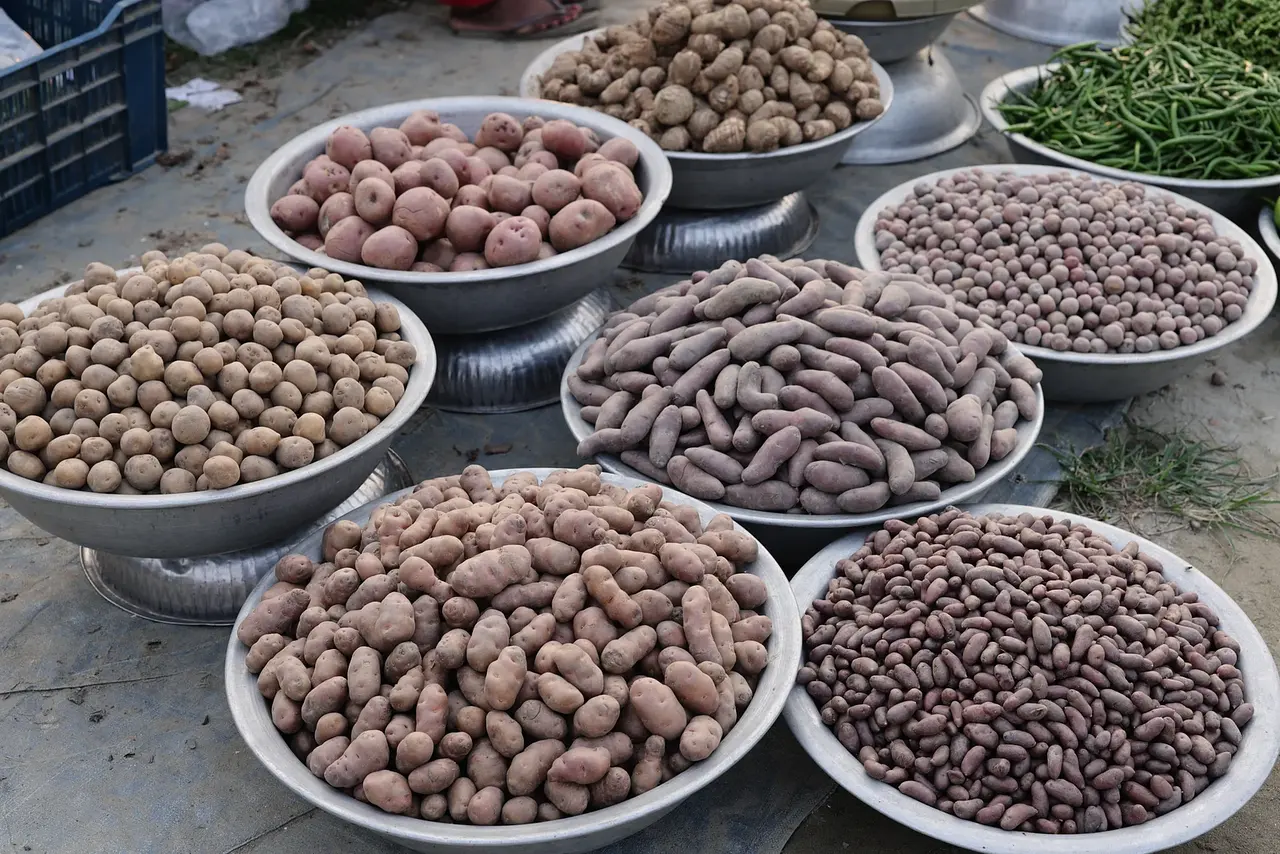
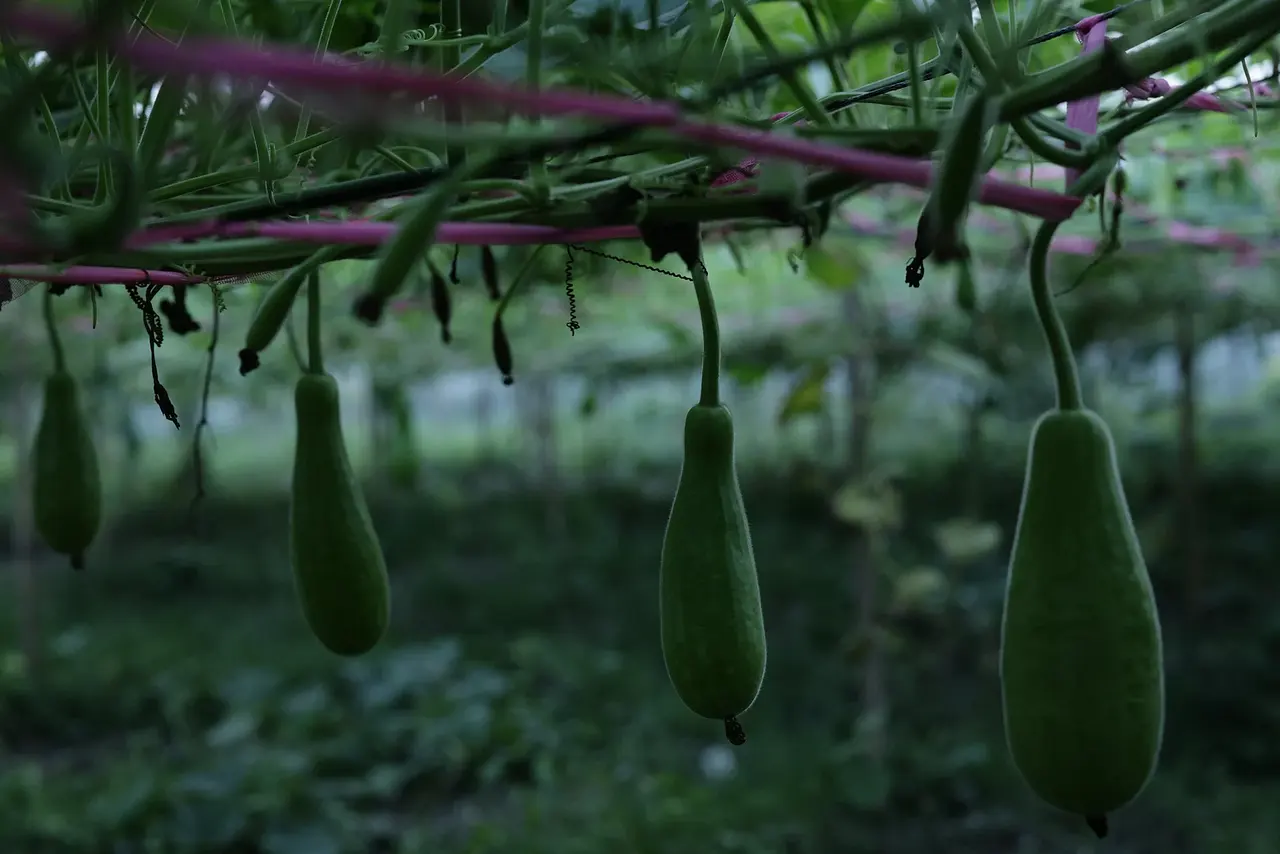
Ashraf Mia was selling eggs. He pointed out the huge vegetable field beside the market, where most of the vegetables come from. In a way, it is grown here and sold here. Unable to contain our curiosity, we went to see the field next to the market.
Just a couple of steps from the market, we suddenly found ourselves in front of what looked like a village crop field. On one side stood a large trellis of bottle gourd, with its snow-white flowers swaying overhead and green gourds hanging below. On the other side was an aubergine field. Radish greens and coriander had been sown, and there were okra and papaya. In one pond, water hyacinth floated on the surface while native fish such as climbing perch and stinging catfish swam below.
Snacks after shopping
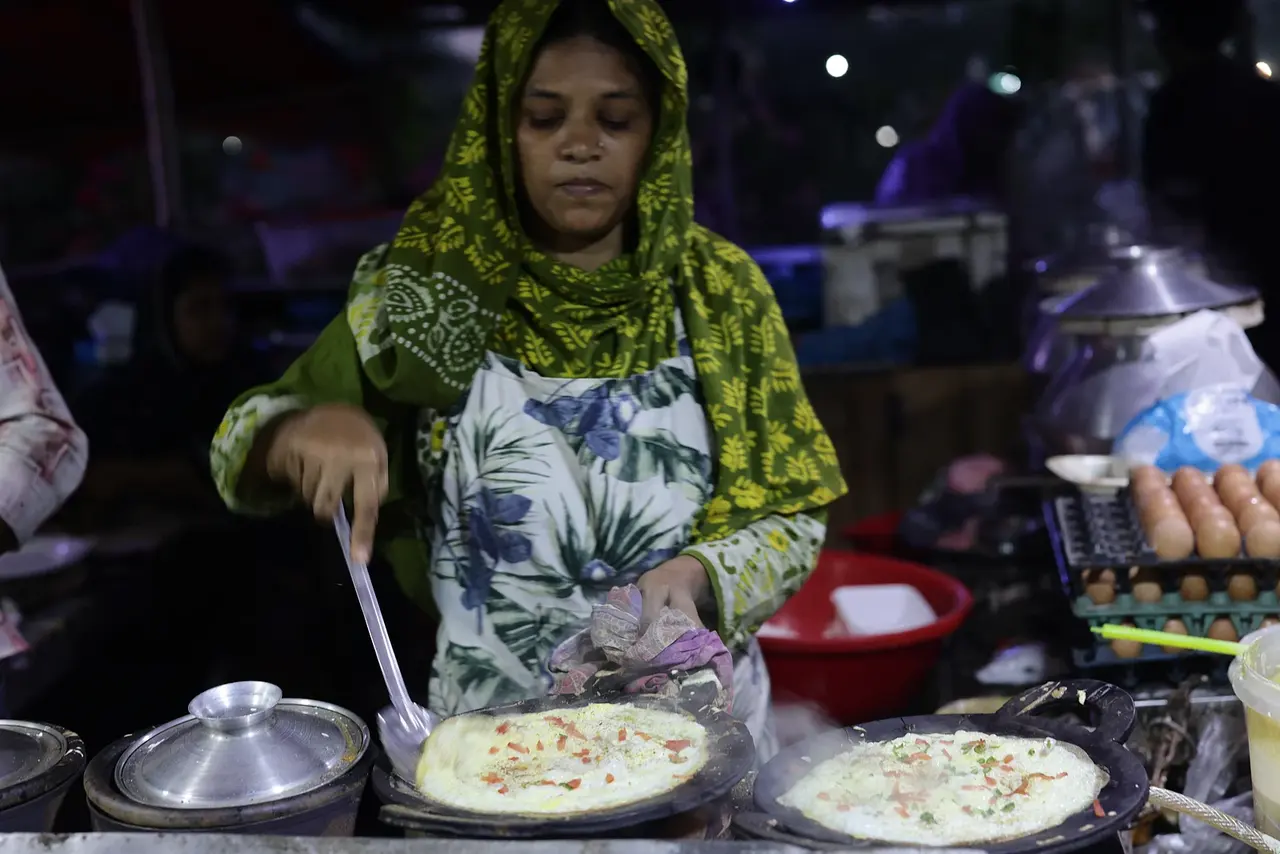
When your feet ache from walking around the market, you can sit down at its pitha stalls. Along with steaming winter bhapa pitha made with date-palm jaggery and coconut, there are chitoi, egg chitoi, egg chapri, coconut puli, chicken puli, poa pitha, nakshi pitha, patishapta, jhikimiki jamai pitha and many more. They cost Tk 20 to 50. There are also green-coconut pudding, nimki, handmade vermicelli, momos and haleem, as well as puffed-rice and flattened-rice moa.
How to get there
You can come to Diabari in Uttara from anywhere in Dhaka. If you take the Metro Rail, get off at Uttara Center station. From the station, walk two or three minutes along the north-bound road, keeping to the left, and you will reach Bou Bazar.
The market opens at 3pm every day of the week. Because there is not enough electric lighting, it winds up soon after dusk, so it is best to go while there is still daylight. That way you can look around properly and pick the vegetables, fish and fruit you like.
A rooftop garden can meet daily vegetable needs
🌐 This English version was automatically translated from the original Bangla.